
Soil Testing

SOIL TESTING
Getting a soil test is a great way to measure its health and fertility. These tests are generally inexpensive, though well worth any cost when it comes to growing and maintaining healthy plants in the garden. So how often should you do a soil test and what does a soil test show? To answer these questions, it may help to learn more about the soil testing process in general.
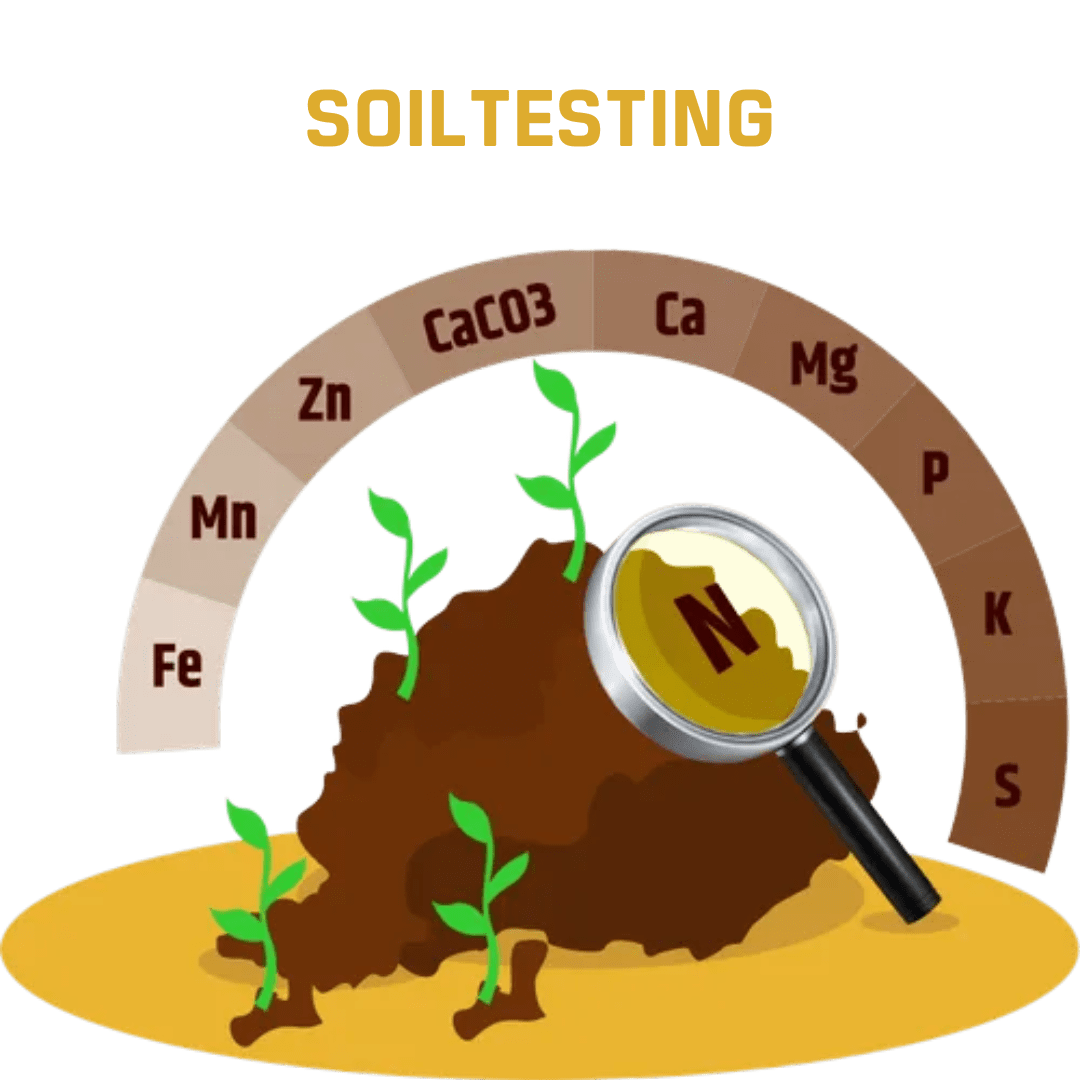
It is the farmland analysis for multiple parameters like chemical content, toxicity, pH level, salinity, earth-dwelling biota, etc. Such tests also provide information on chemical contamination, humic or organic content, electric conductivity, cation exchange capacity, and other physical and chemical properties.
In stock
SOIL TESTING
Getting a soil test is a great way to measure its health and fertility. These tests are generally inexpensive, though well worth any cost when it comes to growing and maintaining healthy plants in the garden. So how often should you do a soil test and what does a soil test show? To answer these questions, it may help to learn more about the soil testing process in general.
It is the farmland analysis for multiple parameters like chemical content, toxicity, pH level, salinity, earth-dwelling biota, etc. Such tests also provide information on chemical contamination, humic or organic content, electric conductivity, cation exchange capacity, and other physical and chemical properties.
Most soil nutrients are readily found in the soil provided that its pH level is within the 6 to 6.5 range. However, when the pH level rises, many nutrients (like phosphorus, iron, etc.) may become less available. When it drops, they may even reach toxic levels, which can adversely affect the plants.
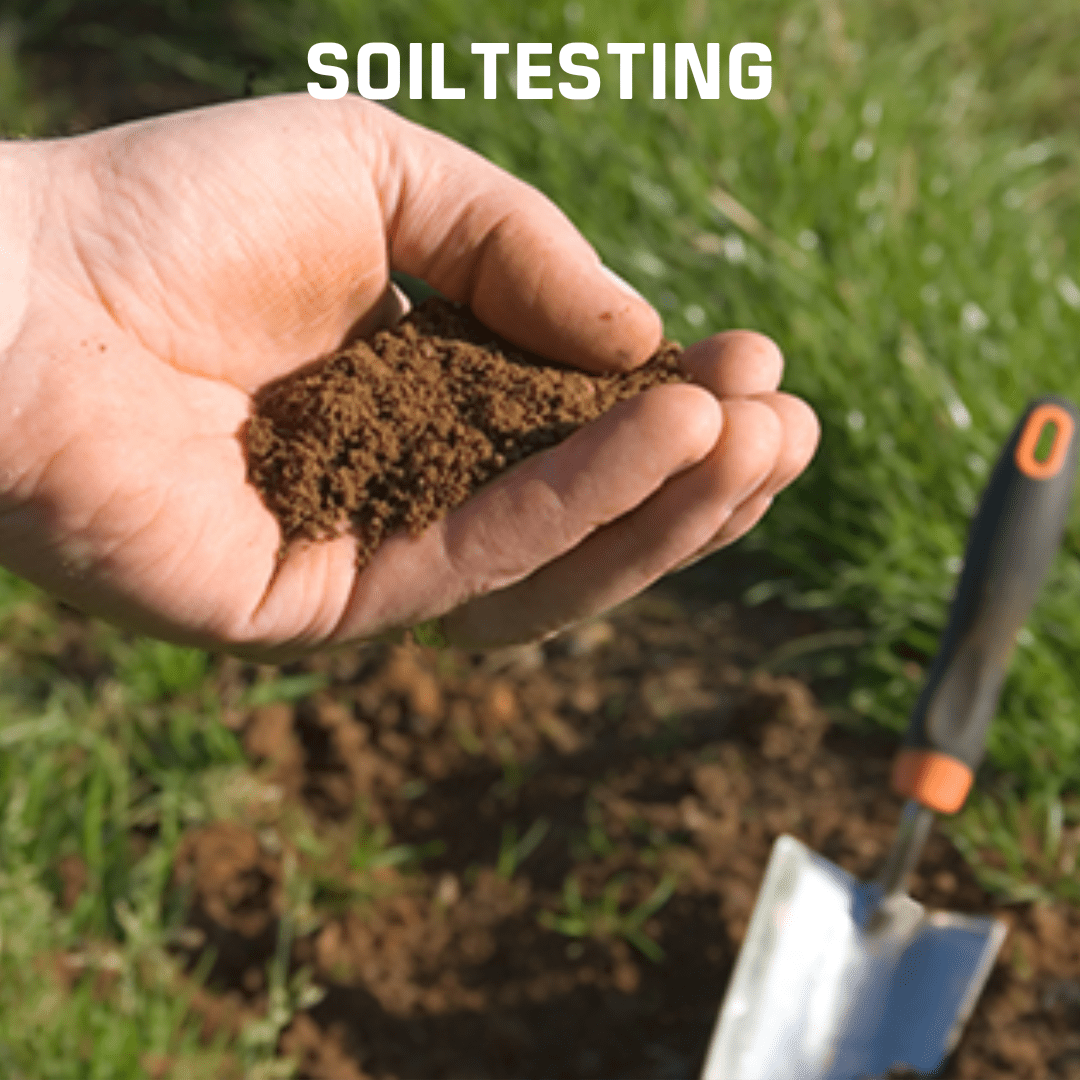
A soil test can determine the current fertility and health of your soil. By measuring both the pH level and pinpointing nutrient deficiencies, a soil test can provide the information necessary for maintaining the most optimal fertility each year. Most plants, including grasses, flowers, and vegetables, perform best in slightly acidic soil (6.0 to 6.5). Others, like azaleas, gardenias, and blueberries, require a somewhat higher acidity in order to thrive. Therefore, having a soil test can make it easier to determine the current acidity so you can make the appropriate adjustments. It will also allow you to fix any deficiencies that may be present. How Often Do You Do a Soil Test? Soil samples can be taken at any time of the year, with fall being preferable. They are normally taken annually or simply as needed. While many companies or gardening centers offer soil testing kits, you can usually obtain a soil test for free or low cost through your local county extension office. Alternatively, UMASS Soil and Plant Tissue Testing Laboratory allows you to mail a soil sample in and they will send a soil report back based on your soil test results. Avoid having the soil tested whenever the soil is wet or when it’s been recently fertilized. To take a sample for testing garden soil, use a small trowel to take thin slices of soil from various areas of the garden (about a cup’s worth each). Allow it to air dry at room temperature and then place it into a clean plastic container or Ziploc baggie. Label the soil area and date for testing.
Agricultural productivity depends on the farmland quality, and a soil test can timely report a problem in crop growth conditions. Field suitability analysis helps choose the appropriate crops or decide on land use for farming.
Regular soil testing is ultimately important not only for growers but can provide valuable field insights to all agribusiness players, including agri-coops, crop insurers, banks, input suppliers, or commodity traders. Nonetheless, designated laboratories describe only the current field properties. So, while analyzing soil test results for decisions on field amelioration, it’s better to combine lab reports with historical data from satellite imagery analytics.
Types Of Soil Tests
The analysis type depends on the explored components or properties of the field ground that may beneficially or adversely impact crop development. The most frequently-used types analyze and measure:
- mineral content,
- pH level,
- soil moisture,
- salinity,
- pesticides and chemical contamination,
- structure and texture, etc.
| Brand | Capital Flow |
|---|---|
| Variant | Basic |
Based on 0 reviews
Only logged in customers who have purchased this product may leave a review.
Related products
-
Farming, NATURE HATCH
Nature Hatch – AQUA
Nature Hatch AQUA
NatureHatch – Aqua growth Supplement improve immunity levels of the fish to a great extent and thus optimizes body resistance and growth.
In order to process these supplements, our professionals employ advanced machines and utilize quality tested compounds procured from the Nature. We offer Aqua Growth Supplements to the clients at nominal prices.
SKU: EB931ZI7 -
DESIGN & DEVELOPMENT, Farming, Happy Sales
TEST
Bring Business to Life! We Create Experiences that Transform Brands, Grow Businesses and Make People’s Lives Better helping Traditional Organizations Navigate to Find Success in Digital World. Creative, Marketing, Digital Promotions!

Bring Business to Life! We Create Experiences that Transform Brands, Grow Businesses and Make People’s Lives Better helping Traditional Organizations Navigate to Find Success in Digital World. Creative, Marketing, Digital Promotions!
SKU: EB857T98 -
Bharat Inc., IPR & QUALITY, TAX FILINGS & COMPLIANCE
Trade License Registration
Trade License Registration
A trade license is a document/certificate that gives permission to the applicant (person seeking to open a business) to commence a particular trade or business in a particular area/location.
It ensured that the business or trade is carried by adhering to all the standards of safety as issued by State Municipal Corporation . It protects the residents from being affected by any health hazards.
However, the license does not allow the holder to carry out any other trade or business than for it is issued. Furthermore, this license does not pass on any kind of property ownership to the holder of the license.
SKU: EB7WGNVI -
Farming, GARDENING, ROOF TOP GARDENING
Rooftop Gardening
Rooftop Garden
A roof garden is an assortment of compartment establishes that home grounds-keepers or exterior decorators keep on the roof of a level structure, frequently an apartment complex. Plants can differ from vegetable plants to decorative bushes. The arrangement can be pretty much as basic as establishing a couple of plants in earthenware pots or as laid out as built garden beds with programmed watering frameworks.
Roof gardens share likenesses with green rooftops, or rooftops planted with Sedum and greeneries to assist with protection and stormwater spill over.
SKU: EB9EU6W7 -
Bharat Inc., Farming, NATURE HATCH
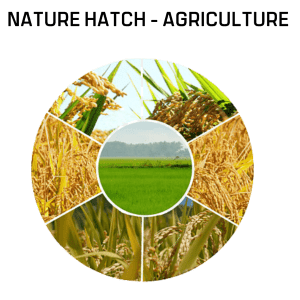
Nature Hatch – Agriculture
Nature Hatch – Agriculture
Inspired by Natural Farming, Now we Introducing a Flagship Product in Agriculture & Farming – Nature Hatch!!
Nature Hatch – Plant Extract, is a unique botanical supplement of many major, micro and secondary nutrients, which is easily absorbed and utilized by plant. Nature Hatch helps to regulate the activity of biological process in the plant & improves overall metabolism in plants.
SKU: EBU23TTG






There are no reviews yet.