
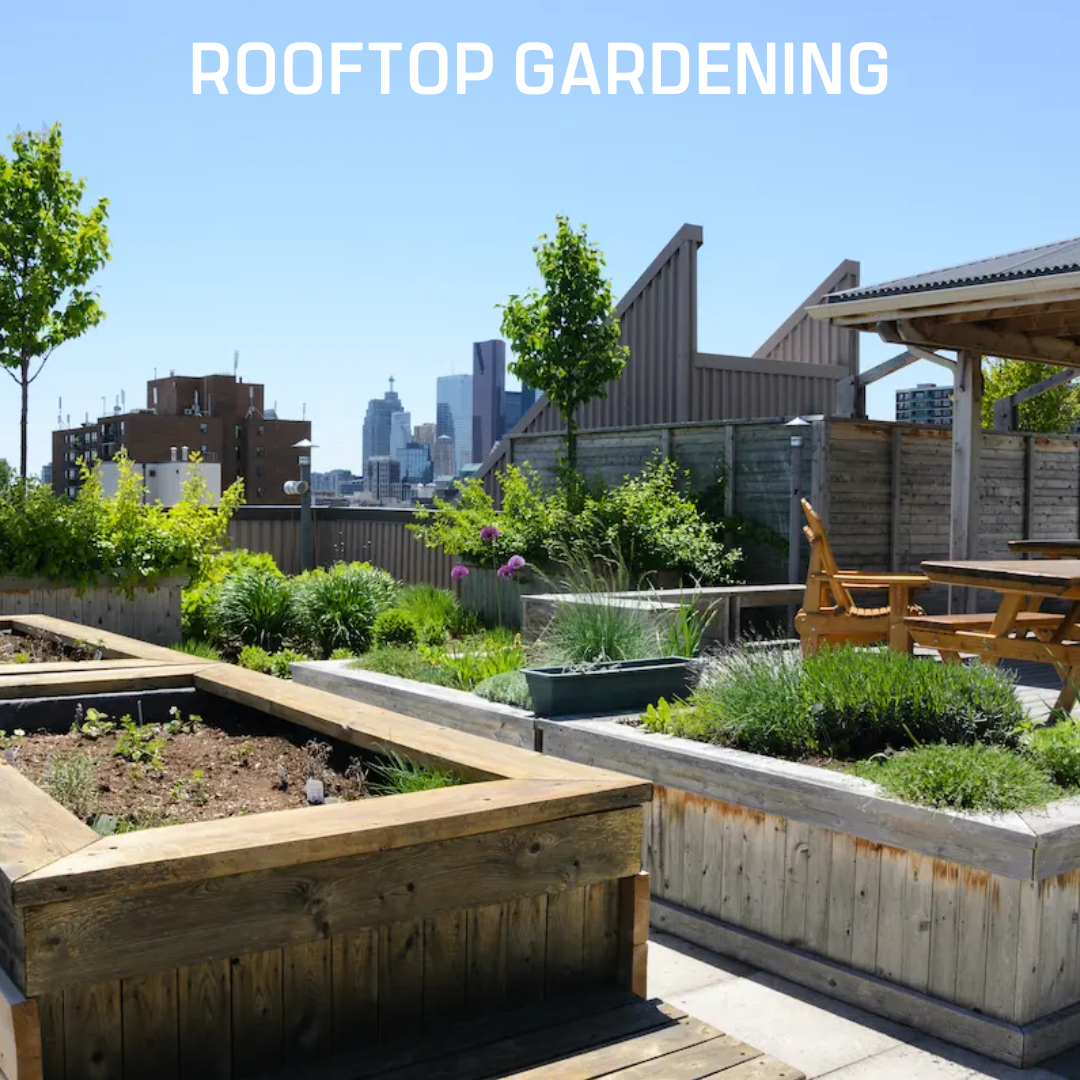
Rooftop Gardening

Rooftop Garden
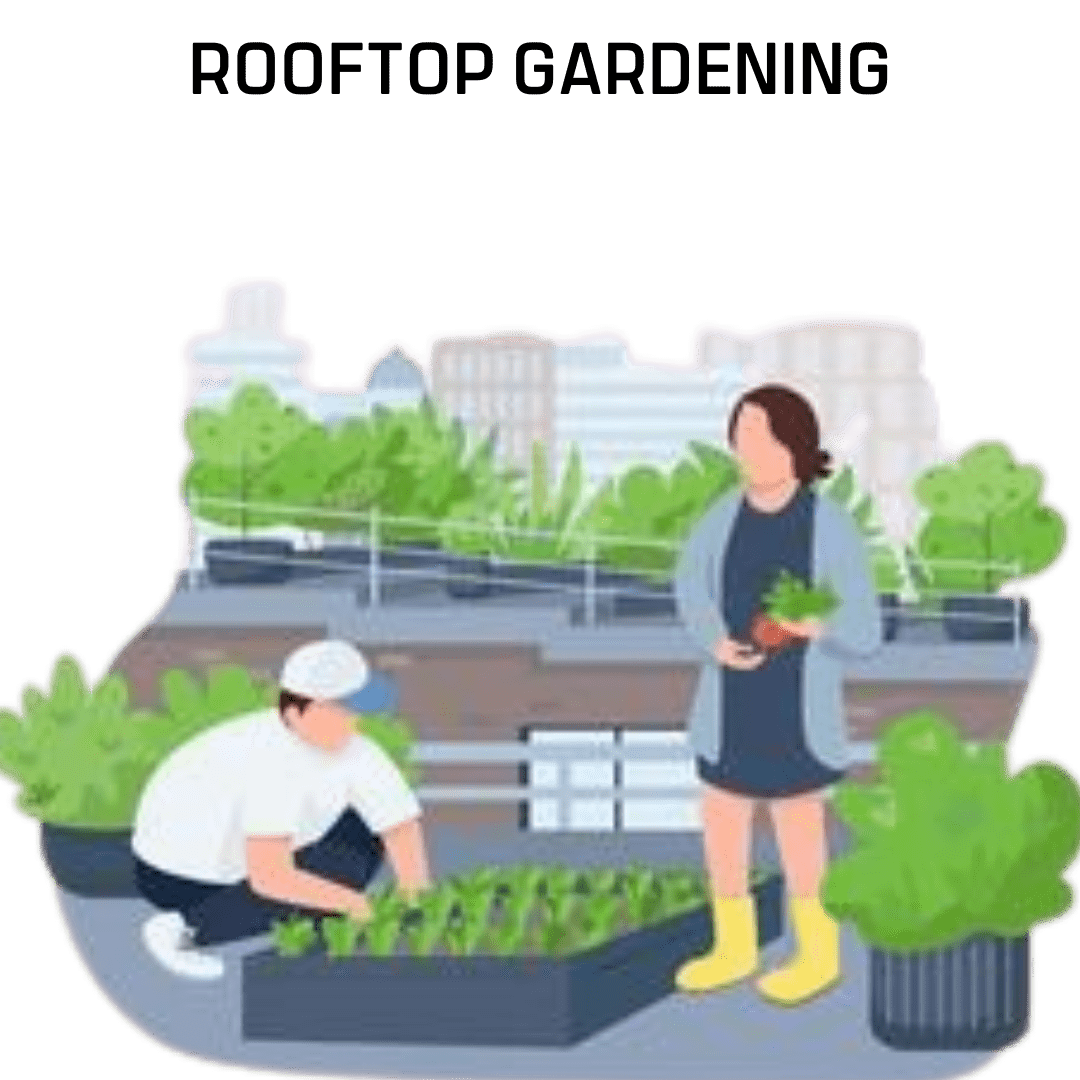
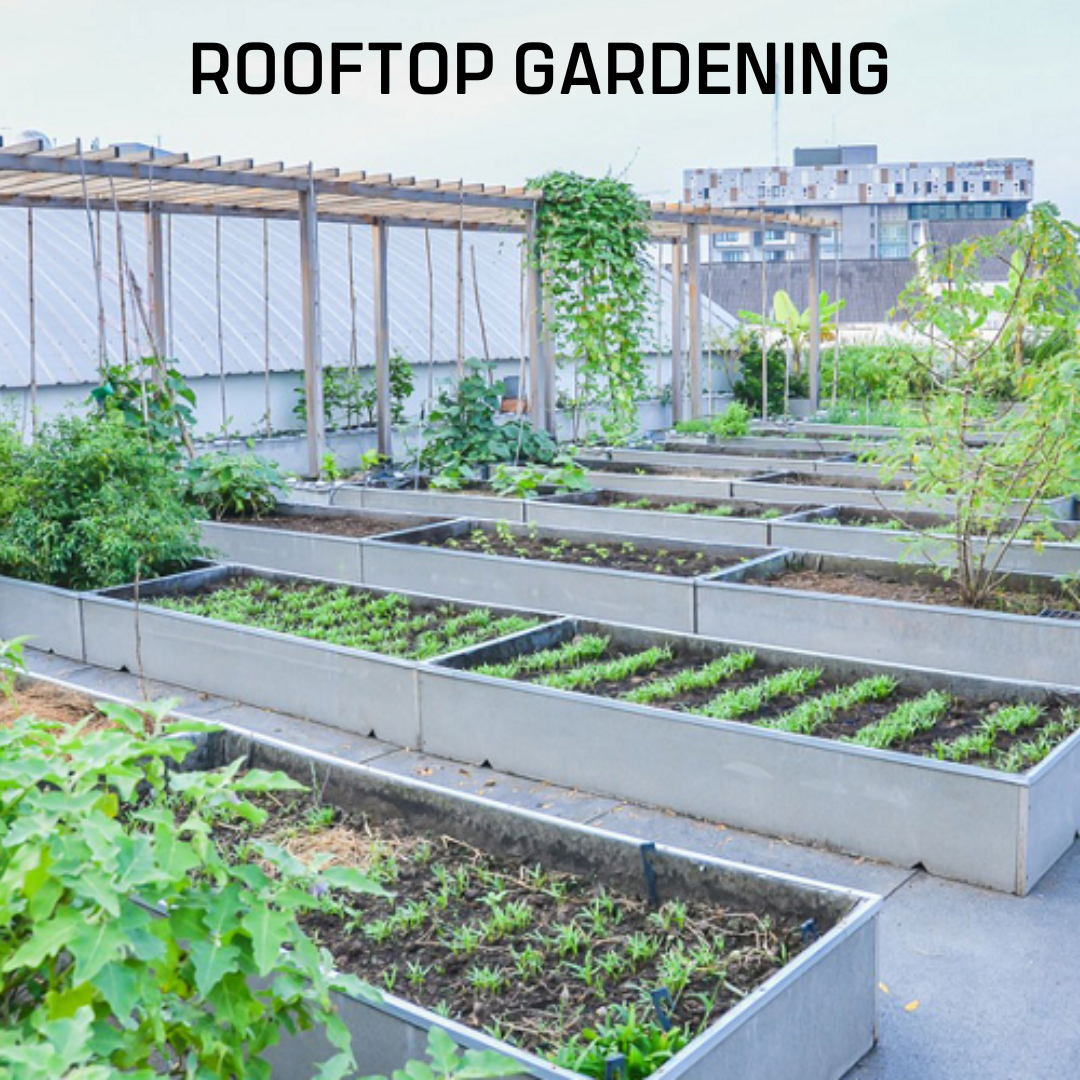
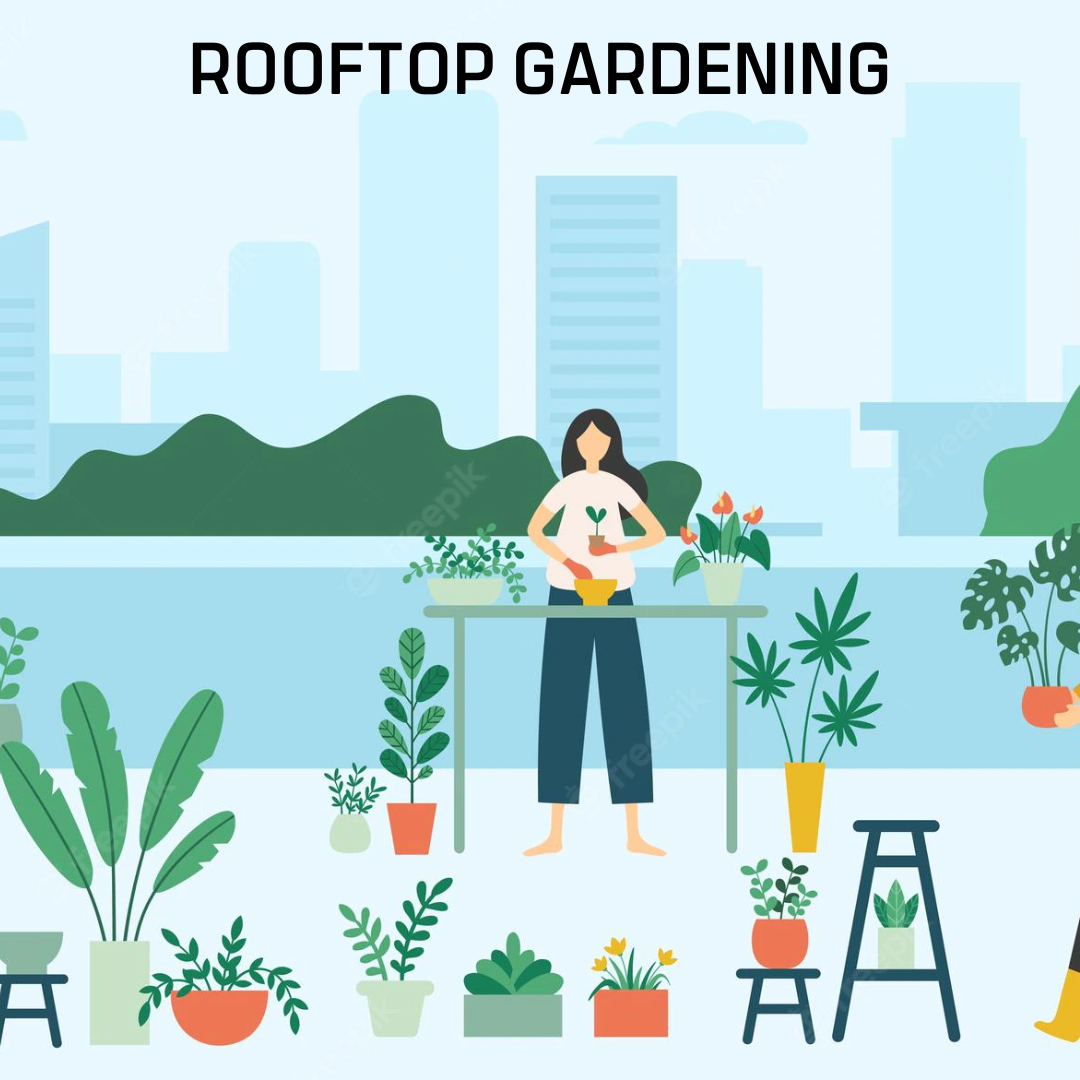
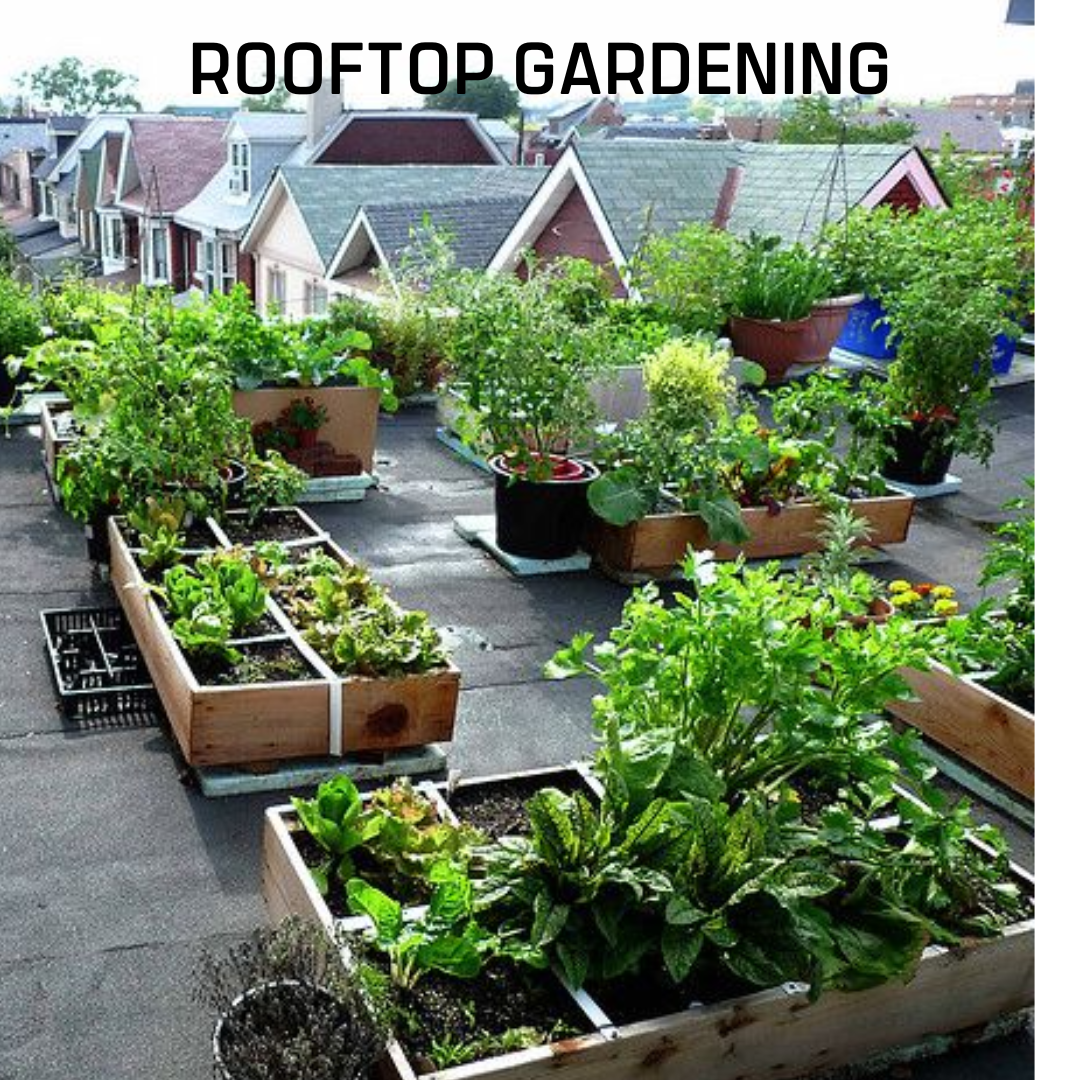
A roof garden is an assortment of compartment establishes that home grounds-keepers or exterior decorators keep on the roof of a level structure, frequently an apartment complex. Plants can differ from vegetable plants to decorative bushes. The arrangement can be pretty much as basic as establishing a couple of plants in earthenware pots or as laid out as built garden beds with programmed watering frameworks.
Roof gardens share likenesses with green rooftops, or rooftops planted with Sedum and greeneries to assist with protection and stormwater spill over.
In stock
Rooftop Gardening
Beginning a roof garden requires persistence, difficult work, and great plant determination. Realize about roof cultivating, including the best sorts of plants to utilize and the different upsides and downsides.
Rooftop Garden
A roof garden is an assortment of compartment establishes that home grounds-keepers or exterior decorators keep on the roof of a level structure, frequently an apartment complex. Plants can differ from vegetable plants to decorative bushes. The arrangement can be pretty much as basic as establishing a couple of plants in earthenware pots or as laid out as built garden beds with programmed watering frameworks.
Roof gardens share likenesses with green rooftops, or rooftops planted with Sedum and greeneries to assist with protection and stormwater spill over.
4 Types of Plants for Rooftop Gardens
Weather conditions of roofs can vary widely. Some roofs get full sun while neighbouring buildings shade others; some roofs can reach temperatures up to 170 degrees Fahrenheit, while others experience high winds. When selecting plants for your rooftop container garden, consider the weather conditions of your roof and choose your plants accordingly. Here are a few types of plants that may thrive on your rooftop:
Drought-Tolerant Plants:
Many rooftop gardens exposed to sunny and windy conditions require deep, consistent watering to help the plants thrive. If you don’t have the interest in or ability to install a drip system or rain barrel cistern, you may get tired of hauling a watering can to your roof to water the plants daily. Planting drought-tolerant plants can help make your rooftop garden low maintenance and easier to manage—consider plants like desert succulents like the snow rose, sage, butterfly weeds, and evergreen trees and shrubs.
Shade-Tolerant Plants
If neighbouring buildings or trees shade your roof for much of the day, shade-tolerant plants are a great option. Some popular partial-sun plants include hostas and lettuces.
Sun-Loving Plants
Many roofs experience full sun (at least six hours of direct sunlight per day), so sun-loving plants are the most logical option. If your roof gets a lot of sun, consider full-sun plants like tomato Plants and Strawberries, small trees like Japanese maple trees, and flowers like marigolds, wildflowers, and coneflowers.
Wind-tolerant plants
Many roofs experience higher wind conditions than ground-level gardens because there aren’t other buildings or trees blocking the wind. If your roof gets a lot of wind, consider low-to-the-ground shrubs and groundcovers like ornamental grasses, hydrangeas and honeysuckle bushes.
Advantages of a Rooftop Garden
Great for limited spaces
One of the main advantages of a rooftop garden is that it allows people to keep outdoor plants at home regardless of their backyard situation. Rooftop gardens are a popular urban garden choice for people who live in apartments and condos.
Higher chances for sunlight
Rooftops gardens are more likely to receive full sun than on-the-ground gardens or houseplants since they are typically not shaded by trees or other buildings. This ample sunlight allows gardeners to select from a wider range of plants, including vegetable plants and sun-loving flowers.
Pest-resistant
Many on-the-ground gardens can be targets for weeds and local wildlife like deer and rabbits, making growing certain plants difficult. Rooftop gardens grow plants out of reach of those animals and many weeds, limiting the kinds of pests that can affect their growth and reducing the need for weeding.
Visual appeal
Rooftop gardens are a great way to add visual interest to roof space, turning a flat area into a more pleasant outdoor space with greenery for relaxing or entertaining. You can also add decking, a fire pit, a pergola or decorative chairs to further beautify your rooftop garden design.
Disadvantages of a Rooftop Garden
Water difficulties
The biggest disadvantage of rooftop gardening is creating a sustainable watering system. Rooftop gardens are typically extra thirsty (due to high sun and winds) but are more difficult to water than other gardens because they’re farther from spigots and water lines and require a little more engineering to set up drip irrigation systems or a cistern.
Adverse weather conditions
Rooftop gardens face more inclement weather conditions than other gardens, especially high winds and hot temperatures, so it’s important to get especially hardy plants for roofs that regularly experience adverse weather.
Limited to containers
Rooftop gardens need to be in containers or raised garden beds since they’re up off the ground, which can limit the variety of plants gardeners can use. Container gardens can come at a higher cost than planting straight into the ground.
Weight restrictions
Roofs can only handle a limited amount of extra weight. When planning a rooftop garden, you’ll want to ensure that your roof can handle the weight of the containers, soil, and water cistern, if you plan to install one.
To Start a Rooftop Garden in 7 Steps
- Check your building codes. Before you buy any plants, check with your local building codes to ensure that you’re allowed to plant on the roof. If you’re in an apartment or condo, check with the building owners or condo association to see if they’ll permit plants in the shared space. If you’re in a house, check with the homeowners’ Association or look into local building codes to see if there are any restrictions on height or aesthetics.
- Select your plants. When selecting plants for your rooftop garden, consider the weather conditions of your roof and choose your plants accordingly. If your roof is in full sun or painted black, choose sun- and heat-loving plants; if your roof has few wind blocks, choose low-to-the-ground plants and use bottom-heavy planters.
- Choose or build containers. Rooftop gardens are endlessly customizable—for planters, you can plant in simple five-gallon buckets (with drainage holes), or DIY custom raised beds for a more polished look. Whatever you choose to plant in, make sure the container has adequate drainage to avoid your plants’ roots sitting in water or soggy soil, which can lead to root rot. Consider the weight limits of the roof as plastic or wooden containers will be lighter than concrete or stone.
- Set up wind blocks. If your area gets lots of wind, you may want to set up windbreaks around your plants to prevent them from getting blown over on your roof. A Trellis or a perimeter wall will help block heavy gusts and anchor your plants in the soil.
- Prepare the soil. Since rooftop gardens have no access to ground soil, you’ll need to purchase soil and bring it up to your rooftop containers. Most plants thrive in well-draining soil rich in organic matter, like potting soil amended with organic compost.
- Plant your selections. Once you prepare your containers, dig holes in your containers and plant your chosen plants. Water thoroughly afterward to settle the soil and anchor the plants.
- Water the plants as necessary. The simplest way to water a rooftop garden is with a watering can. However, for larger rooftop gardens or to avoid climbing the stairs every morning with a watering can, you can set up more extensive watering systems. A popular option is setting up a rain barrel or cistern to catch rainwater in a watering can. You can also set up a drip system connected to a roof-level water spigot.
| Variant | Basic |
|---|---|
| Brand | Capital Flow |
Based on 0 reviews
Only logged in customers who have purchased this product may leave a review.
Related products
-
Bharat Inc., IPR & QUALITY, TAX FILINGS & COMPLIANCE
MSME Registration
MSME REGISTRATION
Small scale businesses play a vital role in improving the economy of any country. To encourage new and existing business, the government of India has launched many schemes to help small and medium scale businesses to sustain and grow. To avail all these beneficial schemes, you need to get your MSME registration done. MSME registration is also known as Udyog Aadhaar or SSI registration.
The MSME stands for Micro, Small and Medium Enterprises and is the main Government body that deals with the management & preparation of guidelines, rules, and laws regarding small scale industries in India. On October 02, 2006, the MSME (Micro, Small and Medium Enterprises) became operational and it was introduced to facilitate, develop & promote the competitiveness of the MSME
SKU: EBY4KFDX -
Bharat Inc., IPR & QUALITY, TAX FILINGS & COMPLIANCE
Trade License Registration
Trade License Registration
A trade license is a document/certificate that gives permission to the applicant (person seeking to open a business) to commence a particular trade or business in a particular area/location.
It ensured that the business or trade is carried by adhering to all the standards of safety as issued by State Municipal Corporation . It protects the residents from being affected by any health hazards.
However, the license does not allow the holder to carry out any other trade or business than for it is issued. Furthermore, this license does not pass on any kind of property ownership to the holder of the license.
SKU: EB7WGNVI -
-
DESIGN & DEVELOPMENT, Farming, Happy Sales
TEST
Bring Business to Life! We Create Experiences that Transform Brands, Grow Businesses and Make People’s Lives Better helping Traditional Organizations Navigate to Find Success in Digital World. Creative, Marketing, Digital Promotions!

Bring Business to Life! We Create Experiences that Transform Brands, Grow Businesses and Make People’s Lives Better helping Traditional Organizations Navigate to Find Success in Digital World. Creative, Marketing, Digital Promotions!
SKU: EB857T98 -
Bharat Inc., IPR & QUALITY, TAX FILINGS & COMPLIANCE
GeM Registration

GeM Registration
GeM is a short form of one stop Government e-Market Place hosted by DGS&D where common user goods and services can be procured. GeM is dynamic, self-sustaining and user friendly portal for making procurement by Government officers.
The portal was launched on 9th August 2016 by the Commerce & Industry Minister. Note: Prices Mentioned Below Are Exclusive Of Taxes.
SKU: EB61181F







There are no reviews yet.